
Understanding methane emissions
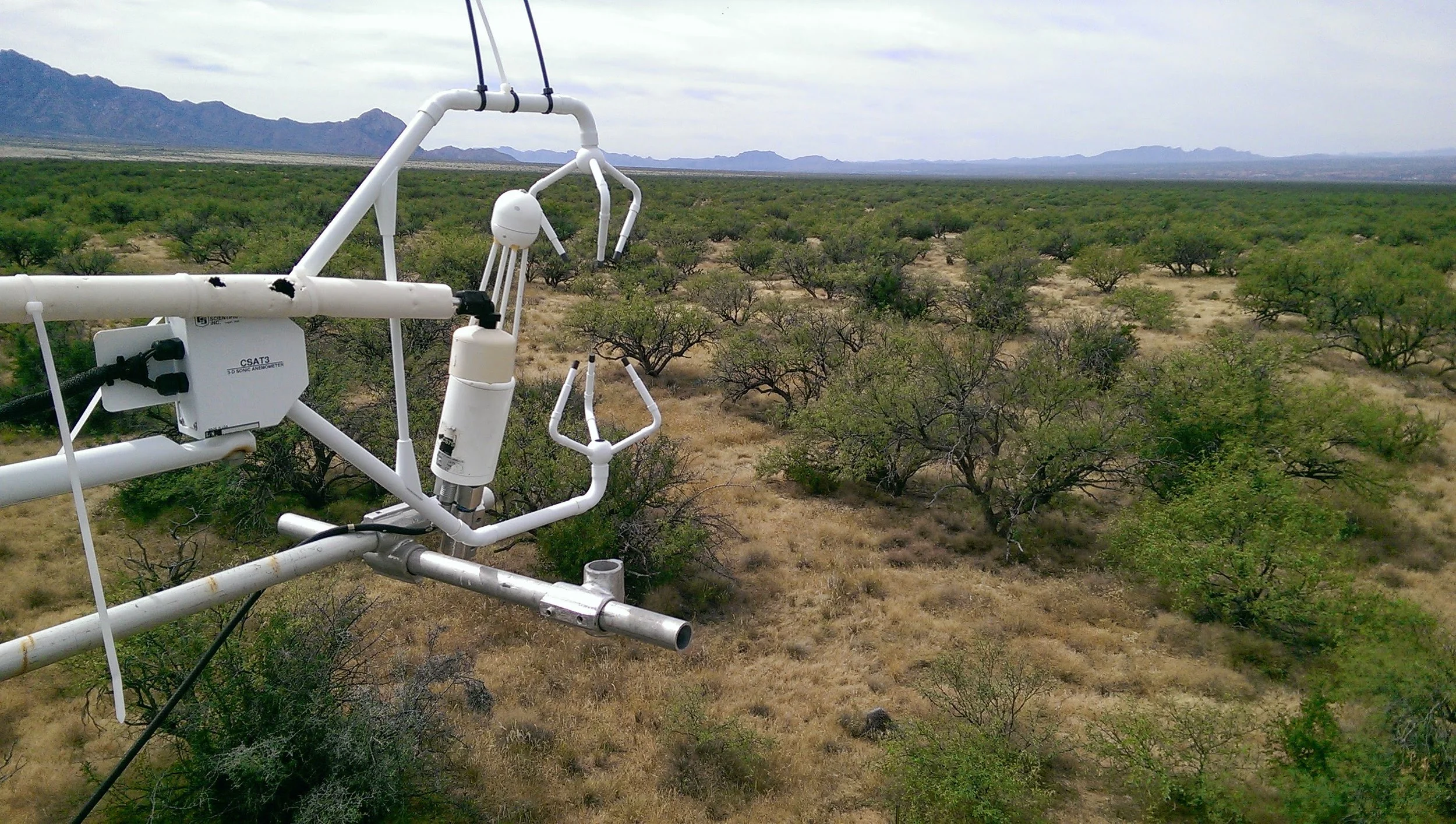
The Malone Disturbance Ecology Lab researches how and why atmospheric methane emissions fluctuate, aiming to create a better understand of methane sinks and sources to mitigate future climate impact.
Quantifying the methane sink
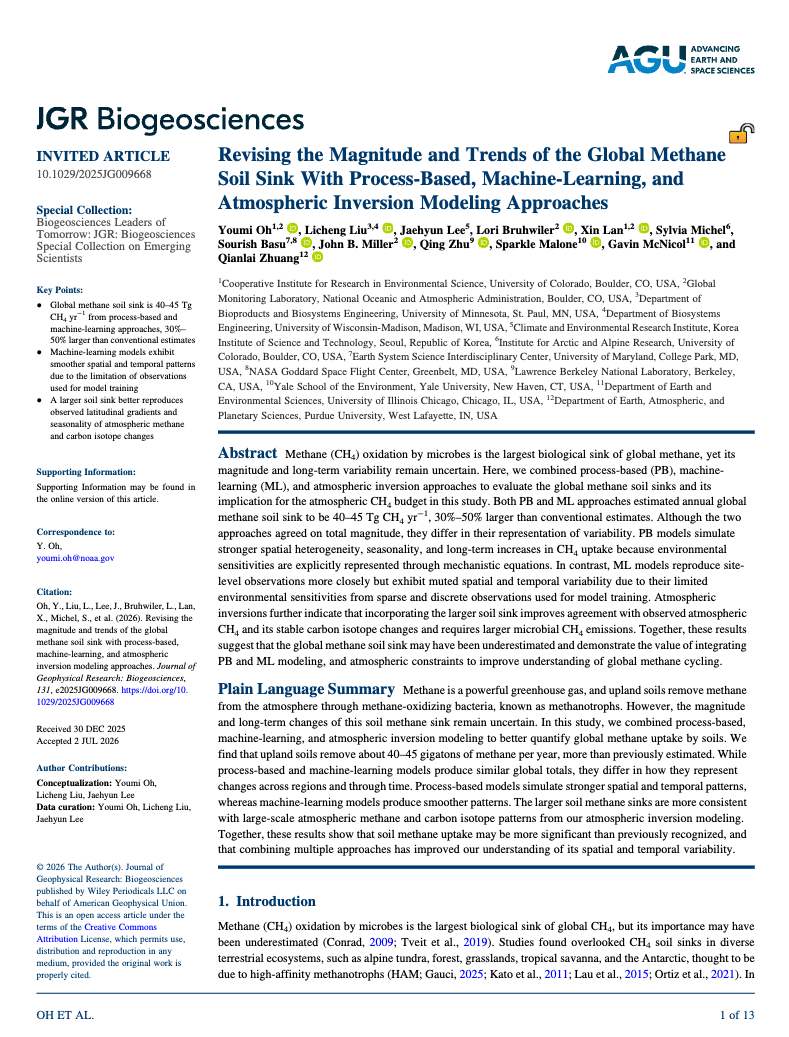
Upland soils remove methane from the atmosphere through microorganisms called methanotrophs that oxidize methane. The magnitude of this methane sink may have been underestimated and overlooked. To quantify the global methane soil sink, we integrated process-based, machine learning, and atmospheric inversion modeling. These approaches provide insight into the spatial and temporal variability of soil methane uptake.
Reconstructing and modeling natural fluxes
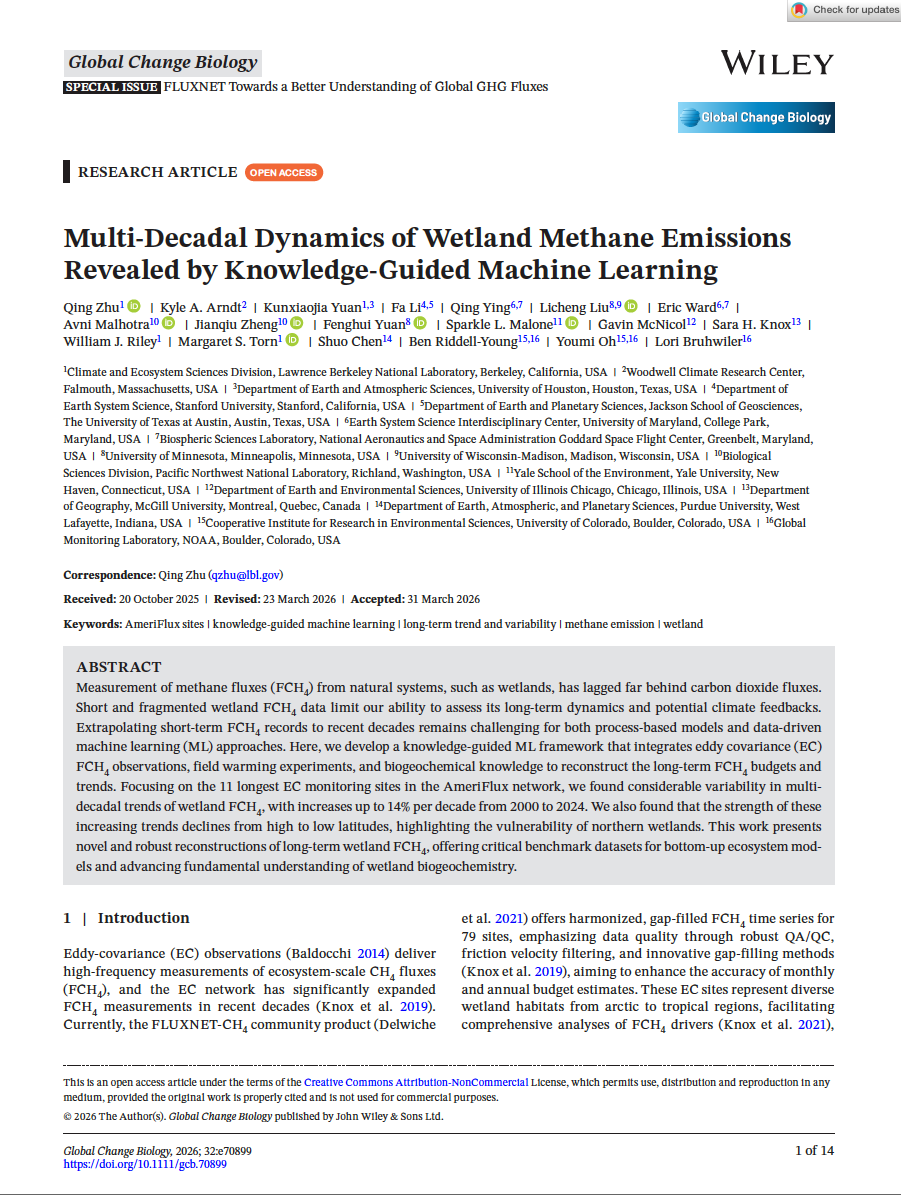
Although wetlands are the largest natural source of methane, their role in the global carbon cycle is not yet fully understood due to the lack of long-term, continuous data. We combined sparse data measurements, field warming experiments, remote sensing, and mechanistic knowledge to develop a multi-decadal model of wetland methane flux. By reconstructing wetland methane flux, we can better comprehend how it evolved over decades across different climates and ecosystems.
A global methane observation system
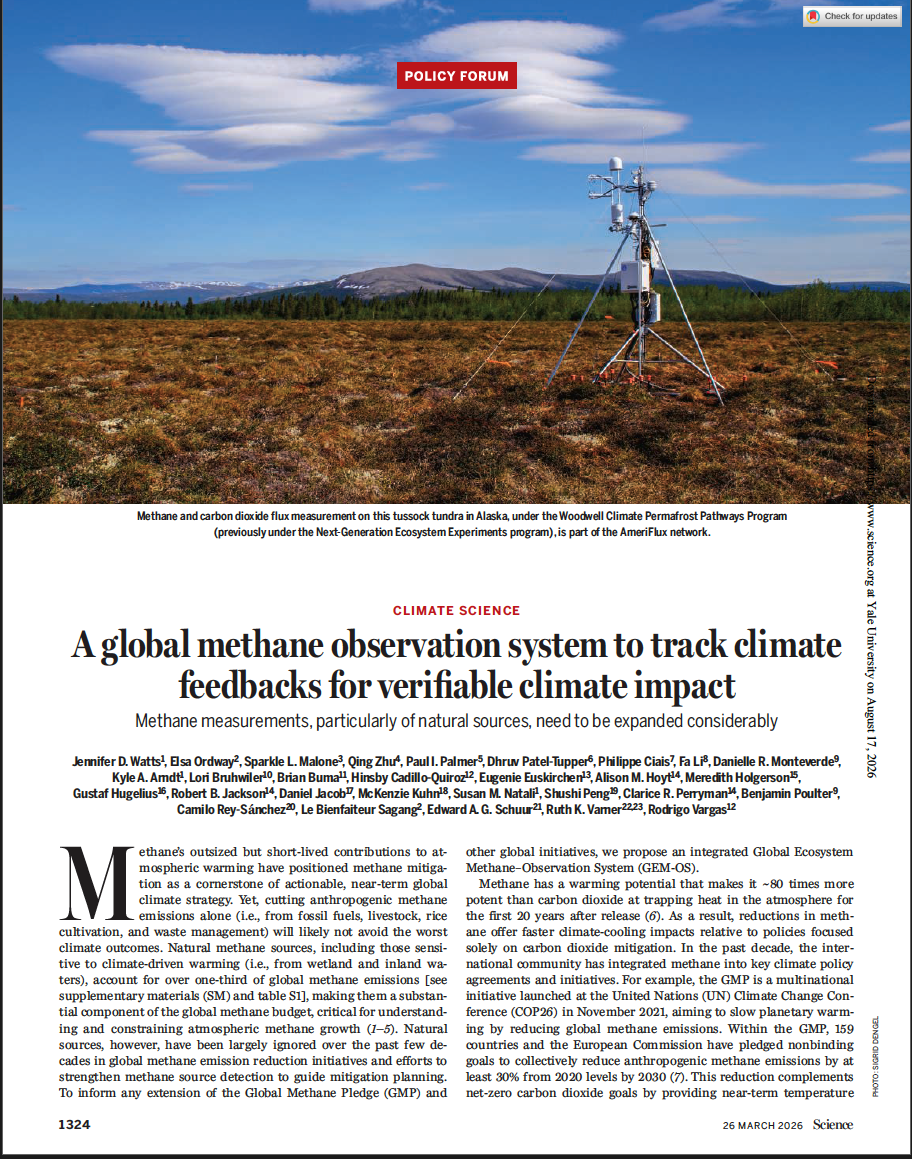
Methane is a significant contributor to atmospheric warming, with anthropogenic emissions, such as fossil fuels, taking most of the public’s spotlight and focus. Yet, natural methane sources, including wetlands and inland waters, account for over one-third of global methane emissions and have managed to largely avoid public scrutiny. As a result, targeted anthropogenic emission reduction efforts are not taking emissions from natural sources into consideration, leading to uncertainty in quantifying global methane concentrations. To alleviate this uncertainty, an enhanced atmospheric observation system targeting natural systems is necessary.
Gaps in network infrastructure
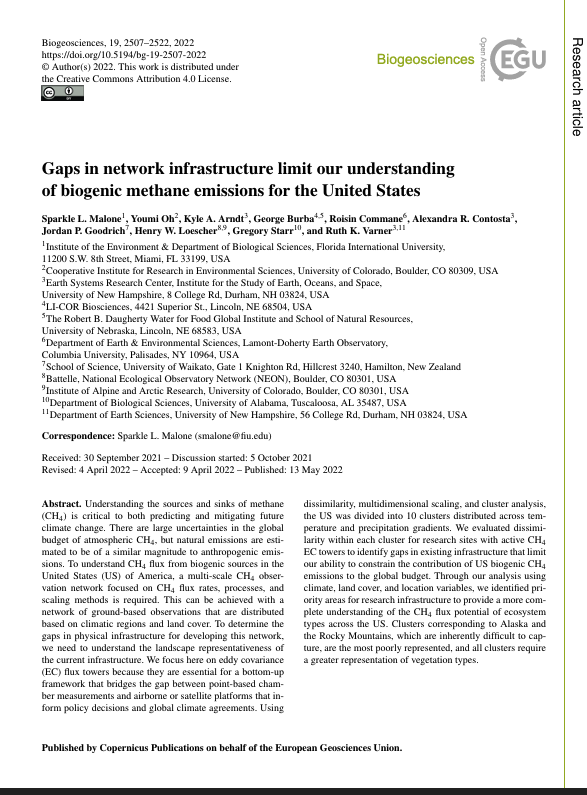
To deepen our understanding of methane emissions from natural sources in the United States, an observation network is required. By studying the landscape representativeness of the current infrastructure, we can determine the gaps in physical research infrastructure for developing this network. These gaps will allow us to identify priority areas for infrastructure to provide a more complete picture of methane flux potential.